Gemstones · 5 min read
The Best Gemstones for Engagement Rings, Ranked by Durability
An engagement ring is not like other jewellery. It's worn every day, knocked against doorframes and steering wheels, immersed in hand-washing and gardening and life, for decades. So while a pendant can carry almost any stone safely, an engagement ring demands something more specific: durability.
That's the honest starting point for choosing a coloured gemstone for an engagement ring. Beauty matters, of course, but a stone that can't survive daily wear will break your heart, sometimes literally. Here's how the popular choices rank, and what durability really means.
What 'durability' actually means
Durability is really three things: hardness (resistance to scratching, measured on the Mohs scale from 1 to 10), toughness (resistance to chipping and breaking), and stability (resistance to heat, light and chemicals). Hardness gets the most attention because it's the easiest to compare: a harder stone scratches a softer one, and anything ranked below about 7 on the Mohs scale will pick up surface wear from the quartz dust that's simply in the air.
For a ring worn daily, we generally counsel clients toward stones ranked 8 or above, or to choose a protective setting if their heart is set on something softer.
Engagement ring gemstones ranked by Mohs hardness
Here is how the stones we are asked about most often compare, from hardest to softest, with the honest advice we give across the bench about wearing each one every day.
| Gemstone | Mohs hardness | Suited to daily wear? | Our advice |
|---|---|---|---|
| Diamond | 10 | Yes | The hardest natural material; any setting works |
| Sapphire | 9 | Yes | Our most recommended coloured stone, in blue and many other colours |
| Ruby | 9 | Yes | The red variety of the same mineral as sapphire, equally hard |
| Spinel | 8 | Yes, with care | Reasonably hard and often overlooked |
| Topaz | 8 | Yes, with care | Reasonably hard; choose a setting that guards the edges |
| Aquamarine | 7.5 to 8 | With a protective setting | Soft colour; mindful wear keeps it bright |
| Morganite | 7.5 to 8 | With a protective setting | Soft colour; mindful wear keeps it bright |
| Emerald | 7.5 to 8 | With a protective setting | Hard but typically included and brittle, so it can chip if knocked |
| Tourmaline | 7 to 7.5 | With a protective setting | Extraordinary colour range; best with protected edges |
| Opal | 5.5 to 6.5 | No | Better in pendants, earrings and occasional dress rings |
| Pearl | 2.5 to 4.5 | No | Best in rings worn occasionally rather than every day |
The everyday champions: diamond, sapphire, ruby
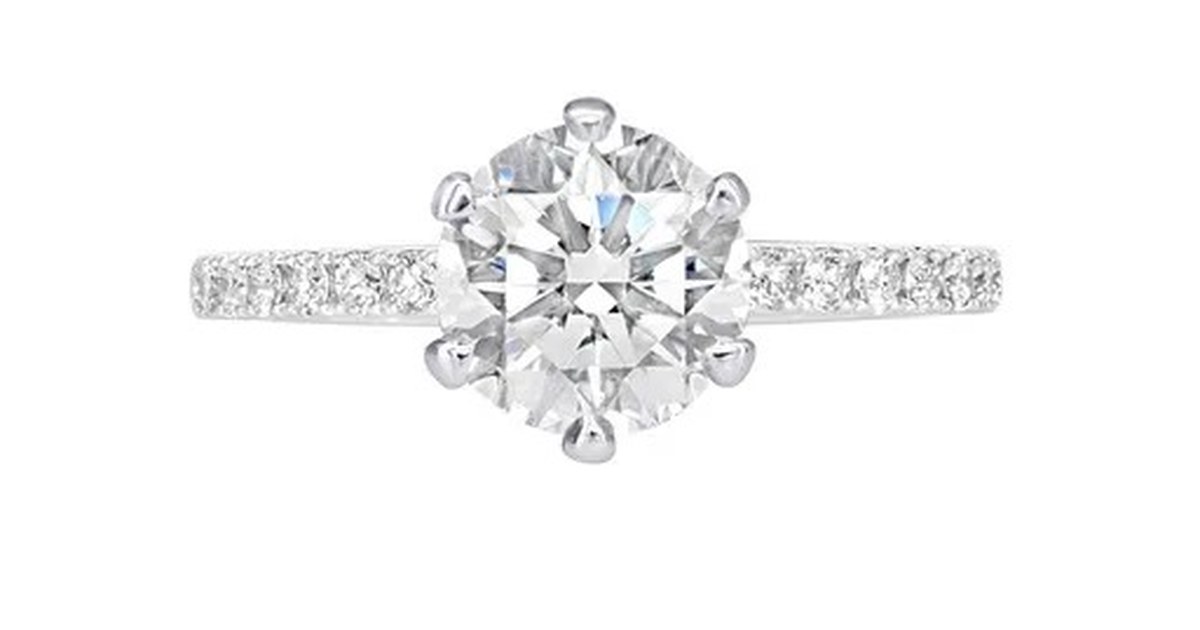
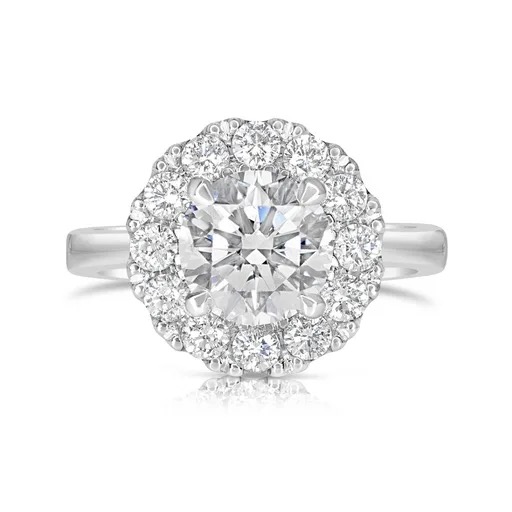
Diamond (Mohs 10) is the hardest natural material on earth, the traditional choice precisely because it shrugs off a lifetime of wear. But the coloured-stone champions are close behind: sapphire and ruby (both Mohs 9), which are the same mineral, corundum, in different colours.
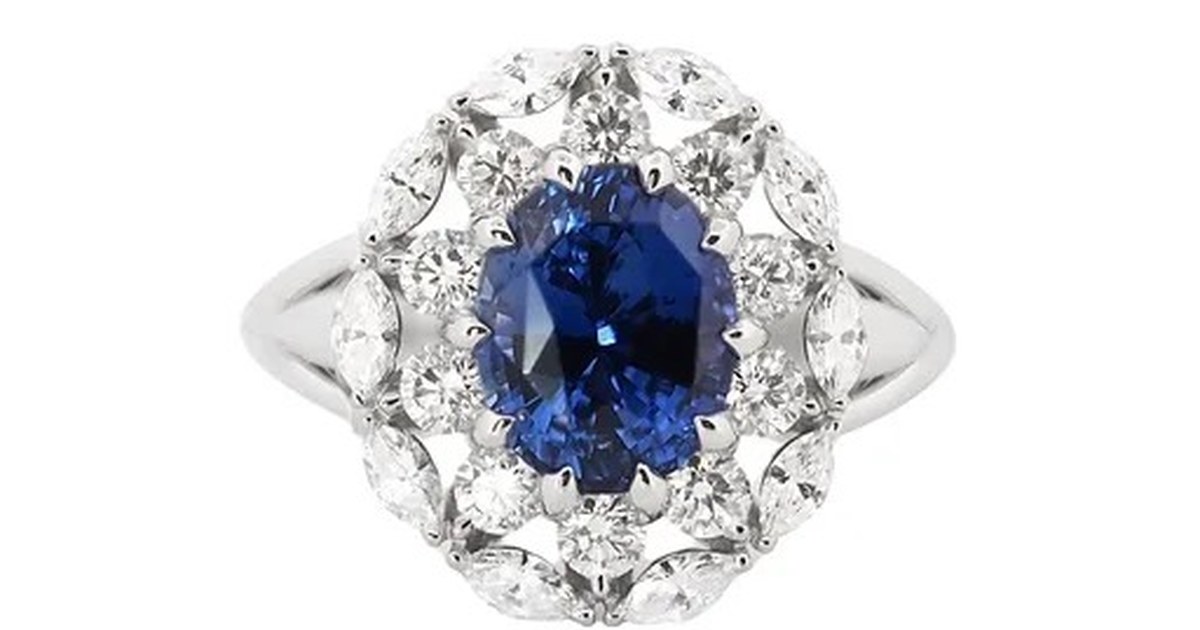
A sapphire (in classic blue or in pink, yellow, teal or white) is our most recommended coloured stone for engagement rings, offering superb durability with genuine individuality. Ruby, its red sibling, is equally hard and carries a romance all its own. Either will serve a lifetime of daily wear beautifully.
Ruby rings, earrings and pendants from our workshop are collected in our ruby jewellery in Perth.
Beautiful, but handle with care
Below the champions sit stones that can work in an engagement ring with the right expectations and setting. Spinel and topaz (Mohs 8) are reasonably hard and often overlooked; aquamarine and morganite (7.5 to 8) are beloved for their soft colour and can serve well in a protective setting with mindful wear; tourmaline (7 to 7.5) offers extraordinary colour range.
Emerald deserves special mention. Though hard (7.5 to 8), it's typically included and brittle: prone to chipping if knocked. We do make emerald engagement rings, but with protective settings and honest counsel about the care they need. It's a stone for someone who loves it enough to treat it gently.
To see how we set emeralds with that protection in mind, browse our emerald jewellery in Perth.
Stones better saved for other jewellery
Some beautiful stones simply aren't suited to a ring worn daily. Opal (5.5 to 6.5) is soft and sensitive to drying and impact; pearl (2.5 to 4.5) is softer still and best in rings worn occasionally rather than every day. These make stunning pendants, earrings and dress rings: just not the ring you'll wear while gardening for the next forty years.
This isn't snobbery; it's kindness to the stone and to you. The right gem in the right piece will outlast and outshine the wrong one forced into a role it can't fill.
Choosing with clear eyes
If your heart is set on colour for an engagement ring, come and talk it through. We'll show you the durable options in natural light, explain the settings that protect more delicate stones, and help you choose something you'll love wearing daily, not just admiring in the box.
The most beautiful engagement ring is the one still beautiful on your fiftieth anniversary.
Frequently asked questions
What is the most durable gemstone for an engagement ring?
Diamond (Mohs 10) is the hardest, followed closely by sapphire and ruby (both Mohs 9). For a coloured stone that survives daily wear, sapphire is our most recommended choice: superb durability with real individuality across many colours.
Is an emerald suitable for an engagement ring?
With care. Emerald is hard (7.5 to 8) but typically included and brittle, so it can chip if knocked. We do craft emerald engagement rings, but with protective settings and honest advice about the gentle wear they need.
What Mohs hardness is safe for everyday wear?
We generally recommend stones ranked 8 or above for a ring worn daily: diamond, sapphire, ruby, and hard spinel or topaz. Stones below 7 will pick up surface wear over time, so they suit protective settings or occasional wear.
What is the second hardest gemstone after diamond?
Corundum, the mineral that forms sapphire and ruby, at Mohs 9. That is why sapphire and ruby are the most durable coloured stones for an engagement ring, with spinel and topaz next at Mohs 8.
Which gemstones should not be worn in an everyday ring?
Opal (Mohs 5.5 to 6.5) and pearl (2.5 to 4.5) are too soft for a ring worn every day. They are better in pendants, earrings or dress rings worn occasionally. Emerald can be worn daily only with a protective setting and gentle wear.
Is Mohs hardness the only thing that matters for durability?
No. Mohs measures scratch resistance. Toughness, the resistance to chipping and breaking, matters just as much, and stability against heat and chemicals matters too. Emerald is the classic example: hard enough to resist scratches, but brittle enough to chip if knocked.
Can I have a coloured gemstone instead of a diamond?
Absolutely: sapphires and rubies are excellent, durable choices with genuine individuality. The key is choosing a stone hard enough for daily wear, and we'll guide you through the options in natural light in our showroom.
Explore coloured stones in person
See sapphires, rubies and more in natural light in our Cottesloe showroom, and choose a stone that's still beautiful on your fiftieth anniversary.