Pearls · 4 min read
Broome Pearls, South Sea Pearls and Tahitian Pearls: What's the Difference?
Few gems carry the quiet luxury of a fine pearl. But not all pearls are equal, and if you are investing in one, it pays to know how types differ in origin, size, colour and lustre.
In Western Australia, Broome is famous for Australian South Sea pearls. At Scagnetti we work with pearls in finished jewellery and care for strands through professional threading and restringing in our Cottesloe atelier.
Are Broome pearls the same as South Sea pearls?
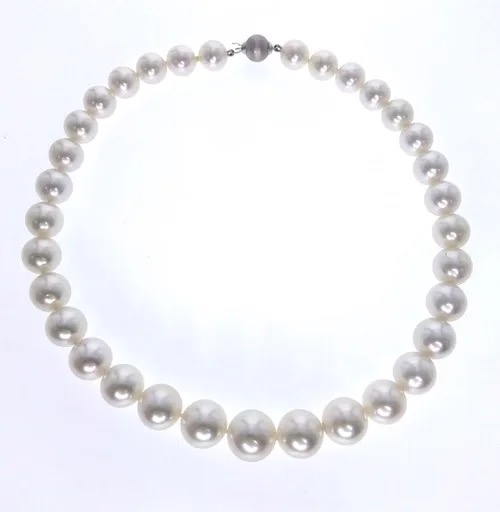
In practical jewellery terms, Broome pearls are Australian South Sea pearls: cultured in the pristine waters associated with Broome and the north-west Australian coastline. They are prized for substantial size and thick nacre that can produce a soft, deep lustre.
“South Sea pearl” is the broader category that also includes pearls cultured in other South Sea regions. When clients in Perth ask for Broome pearls, they usually mean Australian South Sea pearls with that distinctive presence and glow.
Australian South Sea pearls: presence and lustre
Australian South Sea pearls are among the largest cultured pearls commonly seen in fine jewellery. Their appeal is less about mirror-sharp flash and more about depth: a luminous skin that seems to glow from within when nacre quality is high.
They suit statement earrings, sculptural rings and classic strands where scale and softness matter as much as roundness. Matching pairs and graduated strands require careful selection because each pearl is unique.
Tahitian pearls: naturally dark colour
Tahitian pearls, cultured in French Polynesia, are known for natural dark body colours: peacock greens, aubergine tones, silver-greys and charcoal. Quality pieces are valued for that natural colour range rather than dye.
They read as dramatic and contemporary beside white South Sea pearls. Shape and surface quality still govern value; colour alone is not enough.
Akoya pearls: classic smaller white
Akoya pearls, grown primarily in Japan, are the classic round white pearl many people picture first. They are typically smaller than South Sea pearls, often with a sharper, more mirror-like lustre: excellent for studs and traditional strands.
Choosing between Akoya and South Sea is often a choice between everyday classicism and larger Australian presence.
How jewellers assess pearl quality
Beyond type, we look at lustre, surface, shape, size and matching. Lustre is the life of the pearl. Surface blemishes are common to some degree; the question is how they affect beauty at wearing distance.
Round pearls are classic, but baroque and near-round shapes can be equally compelling in contemporary designs. For strands, consistency of colour and size progression matters as much as any single pearl.
Care, wear and restringing
Pearls prefer to be worn (skin oils can keep silk and pearls looking alive), but they dislike harsh chemicals, perfume sprayed directly onto them, and abrasive storage. Put pearls on after cosmetics and store them away from harder gemstones that can scratch nacre.
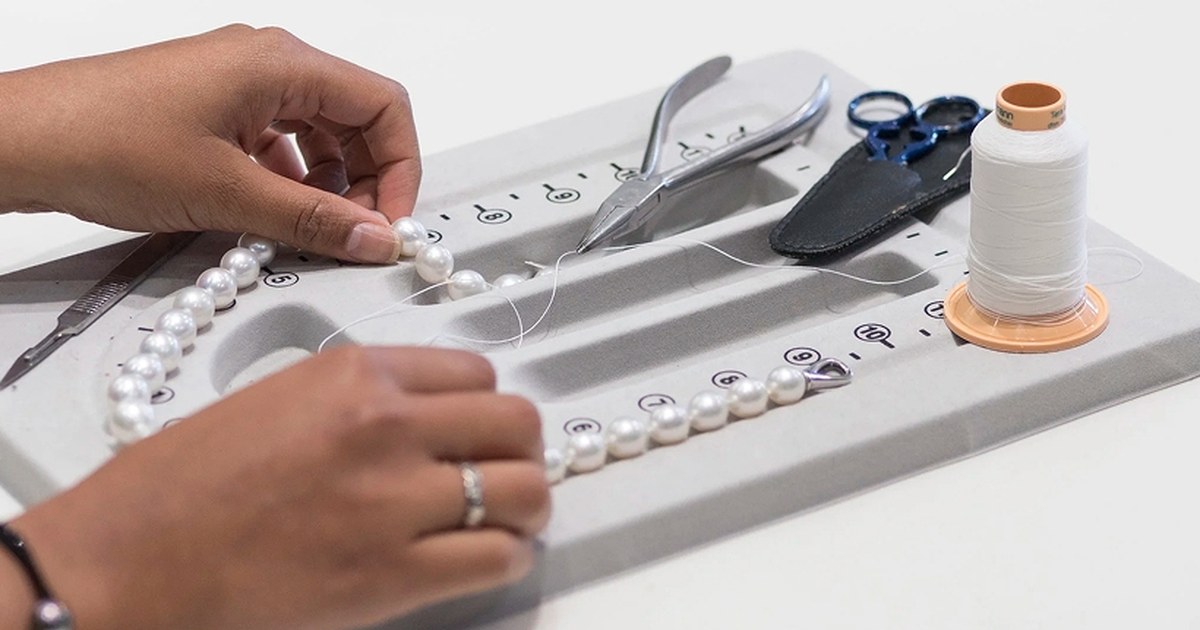
Professional pearl rethreading helps maintain longevity. Each pearl is typically knotted separately so pearls do not rub and damage each other if a strand breaks. We generally recommend restringing every few years depending on wear, or sooner if knots look worn or silk is discoloured.
Which pearl is right for you?
For a statement that feels distinctly Australian, look to Broome / Australian South Sea pearls. For everyday classic white, Akoya is often the elegant answer. For drama and dark colour, Tahitian pearls stand apart.
Visit us in Cottesloe and we can compare pieces side by side. Pearls often choose their person once you see lustre in natural light.
Whether you are commissioning a new pearl design or restoring a family strand, the same workshop standards apply: careful selection, secure making and aftercare that keeps nacre and silk in good condition for years.
Are pearls a 30th anniversary gift, and do you sell dyed pearls?
Yes. Pearls are the traditional 30th anniversary gift, and a Broome or South Sea strand is the piece many families mark that year with. Colour, matching and lustre are clearest in daylight at the Cottesloe atelier, so a private viewing is worth the visit before you decide.
We do not sell dyed pearls. South Sea colour is natural to the oyster. If a strand looks unnaturally even or a hue you never see in Broome nacre, ask. We would rather show you an honest white or gold than a treated colour that will not age with the rest of the jewellery box.
Frequently asked questions
Are Broome pearls dyed?
No. We do not sell dyed pearls. Fine Australian South Sea colour is natural to the oyster. We discuss origin and characteristics openly in consultation.
How often should a pearl strand be restrung?
Every few years is a sensible rhythm for regularly worn strands. If knots look thin, silk is discoloured, or the strand feels loose, book an assessment sooner.
Can you restring heirloom pearls in Perth?
Yes. Pearl threading and restringing are offered in-house at our Cottesloe boutique, including alterations and restoration of broken strands.
Compare pearls in Cottesloe
See lustre side by side in our showroom, or book pearl restringing and care with our in-house team.