Diamonds · 3 min read
The 4Cs, Honestly: Why Cut Beats Carat Every Time
Ask most people what makes a diamond impressive and they'll say size. Ask a jeweller the same question and, almost to a person, you'll get a different answer: cut. Of the famous 4Cs (cut, colour, clarity and carat), one governs how a diamond actually performs in light, and it isn't the one that sounds biggest.
Understanding this single idea changes how you buy. It's the difference between spending on what you see and spending on what sounds good on paper.
What are the 4Cs, in plain terms?
The 4Cs are the four characteristics laboratories grade to describe a diamond: cut (how well it's proportioned and finished), colour (how colourless a white diamond is, graded D to Z), clarity (how free it is of natural inclusions), and carat (its weight). Together they describe a stone, but they don't contribute equally to its beauty.
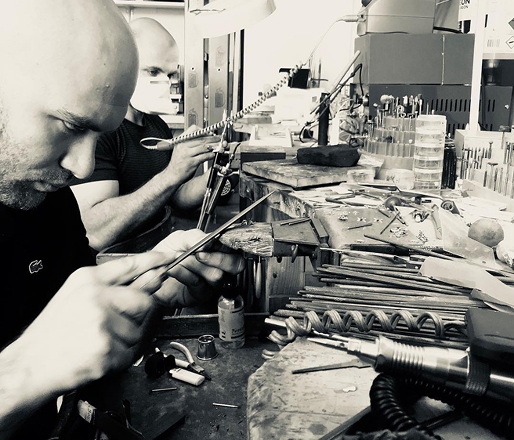
Think of them as nature and craft. Colour, clarity and carat describe what the earth produced. Cut is the one a human being controls, and it's the one that decides whether a diamond sparkles or sits flat.
What cut actually does to a diamond
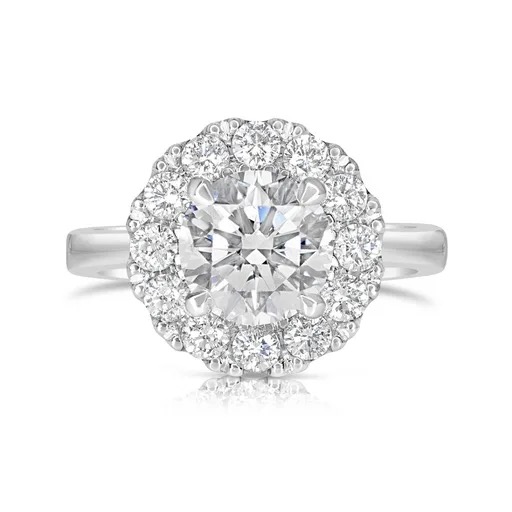
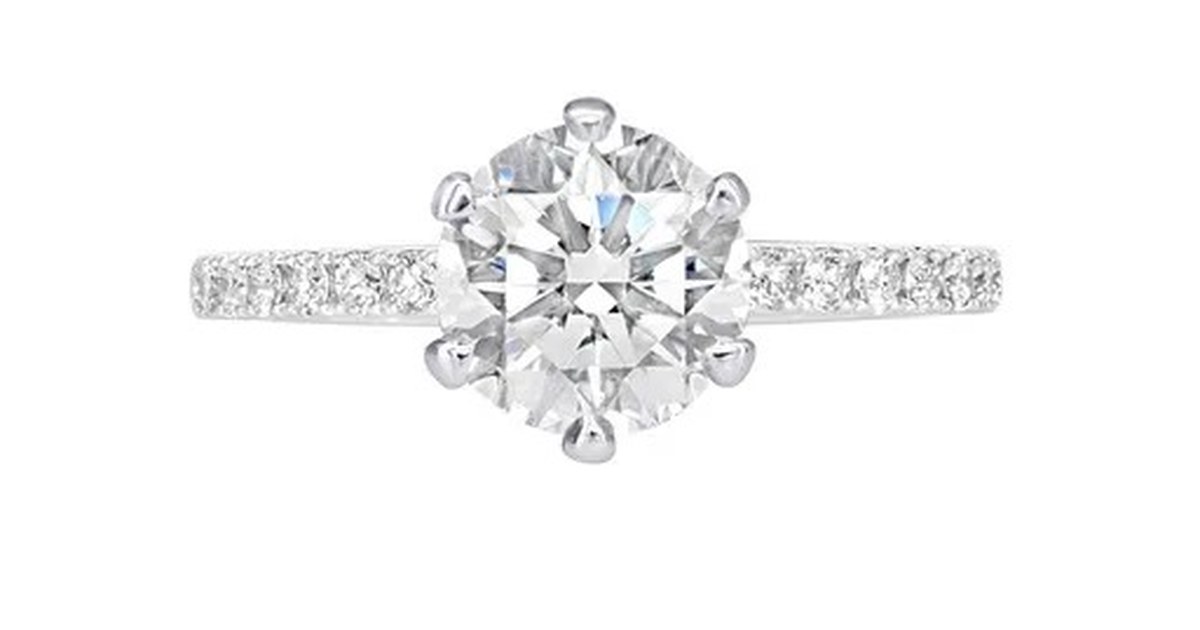
Cut is about proportions and precision: the angles, symmetry and polish that determine how light enters the stone, bounces within it, and returns to your eye. A well-cut diamond acts like a hall of mirrors, gathering light and firing it back as brilliance and sparkle. A poorly cut one leaks light out of the bottom and sides, looking dull and lifeless regardless of its other grades.
This is why cut is the one C where we never compromise. Brilliance is not a luxury. It is the entire point of a diamond.
Why a well-cut smaller diamond beats a poorly cut bigger one
Here's the truth that surprises people: a beautifully cut one-carat diamond will out-sparkle a poorly cut one-and-a-half-carat stone, and look more impressive doing it. Size adds presence, but only brilliance draws the eye from across a room. A large, dull diamond simply advertises its size; a brilliant one commands attention.
Poorly cut stones are also often cut to preserve weight from the rough, trading beauty for carat on the scale. You end up paying for weight you can't see and sparkle you never get.
Where to spend, and where to save
Spend on cut first. It's what you and everyone else will actually notice. Then be flexible where it's easy: near-colourless grades (G to I) look beautifully white once set, and an 'eye-clean' clarity (no inclusion visible without a loupe) is usually indistinguishable from flawless at wearing distance. Choosing a touch under a round carat weight, like 0.9 instead of 1.0, can free budget with no visible sacrifice.
The result of this order (cut, then eye-clean clarity, then near-colourless colour, then carat) is a diamond that looks far more expensive than the paper suggests.
See the difference in daylight
This is genuinely easier to see than to read about. In our Cottesloe showroom we place diamonds of different cuts side by side in natural light, and the difference is immediate. No gemmology degree required.
If you're weighing size against sparkle, come and look. We'll show you what cut does, and help you find the stone that gives you the most beauty for your budget, not the most impressive line on a certificate.
Frequently asked questions
Which of the 4Cs matters most?
Cut. It governs how a diamond returns light: the brilliance you actually see. A well-cut diamond of modest size will out-sparkle a larger, poorly cut stone, which is why jewellers prioritise cut above carat, colour or clarity.
Does a bigger carat always look better?
No. Size adds presence, but brilliance draws the eye. A poorly cut large diamond looks dull; a well-cut smaller one commands attention. Many buyers also save by choosing just under a round carat weight (like 0.9ct) with no visible difference.
What colour and clarity offer the best value?
Near-colourless colour (G to I) looks beautifully white once set, and an 'eye-clean' clarity (no inclusion visible without magnification) is usually indistinguishable from flawless at wearing distance. Spending there frees budget to protect cut quality.
Can I see the difference between cuts in person?
Yes, and it's the best way to understand it. We place diamonds of different cuts side by side in natural light in our Cottesloe showroom, so you can see what cut does before you decide.
See cut make the difference
Compare diamonds side by side in natural light in our Cottesloe showroom, and find the stone that gives you the most beauty for your budget.