Pearls · 4 min read
Broome South Sea Pearls: The Complete Buyer's Guide
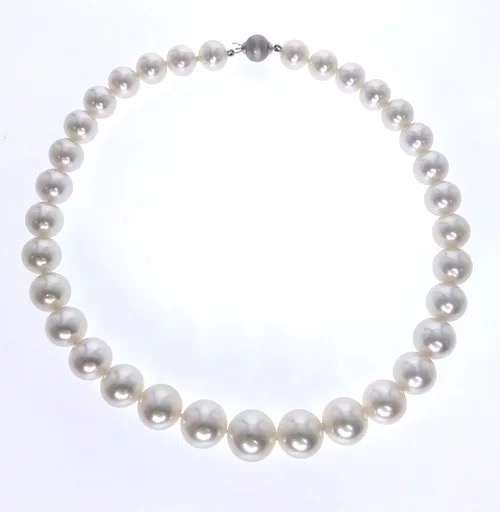
Of all the gems we work with, none feels more like home than the Australian South Sea pearl. Grown in the warm, pristine waters off Broome and the north-west coast, these are among the largest and most lustrous pearls in the world, and for West Australians, they're a point of quiet pride as much as a beautiful thing to wear.
If you're considering one (a strand, a pair of earrings, a ring or a pendant), this is what we'd want you to understand before you choose.
What makes Broome South Sea pearls special?
Broome South Sea pearls are Australian South Sea pearls, cultured in the silver-lipped Pinctada maxima oyster in the waters off Broome. That oyster (the largest pearl-producing oyster in the world) grows pearls of exceptional size, and its thick nacre gives them a deep, soft lustre that seems to glow from within rather than flash at the surface.
Where a smaller pearl might rely on a sharp, mirror-like shine, a fine South Sea pearl offers something rarer: presence. Size, depth and a warmth of light that reads as unmistakably luxurious at any distance.
Lustre and nacre: the heart of value
If you learn to judge one thing, make it lustre. Lustre is the quality of light reflecting from the pearl's surface and from within its nacre, and thick nacre is what produces that coveted inner glow. Broome South Sea pearls are renowned for nacre thickness, which is why their lustre has depth rather than a thin, chalky shine.
A simple test: hold the pearl and look for your own reflection. The sharper and brighter the reflected light, with a soft halo of overtone beneath it, the finer the lustre. A dull, blurry reflection signals thin or poor nacre, no matter the size.
Size, shape and surface
South Sea pearls typically range from around 9mm up to 16mm and beyond, with larger sizes commanding a premium. Round is the classic and most valuable shape, but don't overlook near-round and baroque forms: a beautifully lustrous baroque pearl can be more captivating, and more individual, than a flawless round one.
Surface refers to natural blemishes. Virtually all pearls have some; the question is whether they're visible at wearing distance. A pearl that reads clean from a metre away, with strong lustre, is usually a wiser choice than a flawless pearl with weak lustre.
Colour, and what suits you
Broome South Sea pearls are prized for their white and silver tones, often with rose, cream or silver overtones, while golden South Sea pearls come from the gold-lipped variety of the same oyster. Choosing between them is personal (silver-white tends to flatter cooler skin tones, cream and gold warmer ones), but the surest guide is simply to see them against your own skin in natural light.
This is one of the genuine pleasures of choosing pearls in person: the right pearl often announces itself the moment you hold it up.
Caring for pearls so they last generations
Pearls are organic gems, and they reward a little care. Wear them often (skin contact keeps them looking alive), but put them on after perfume and cosmetics, wipe them gently after wearing, and store them away from harder gemstones that can scratch the nacre.
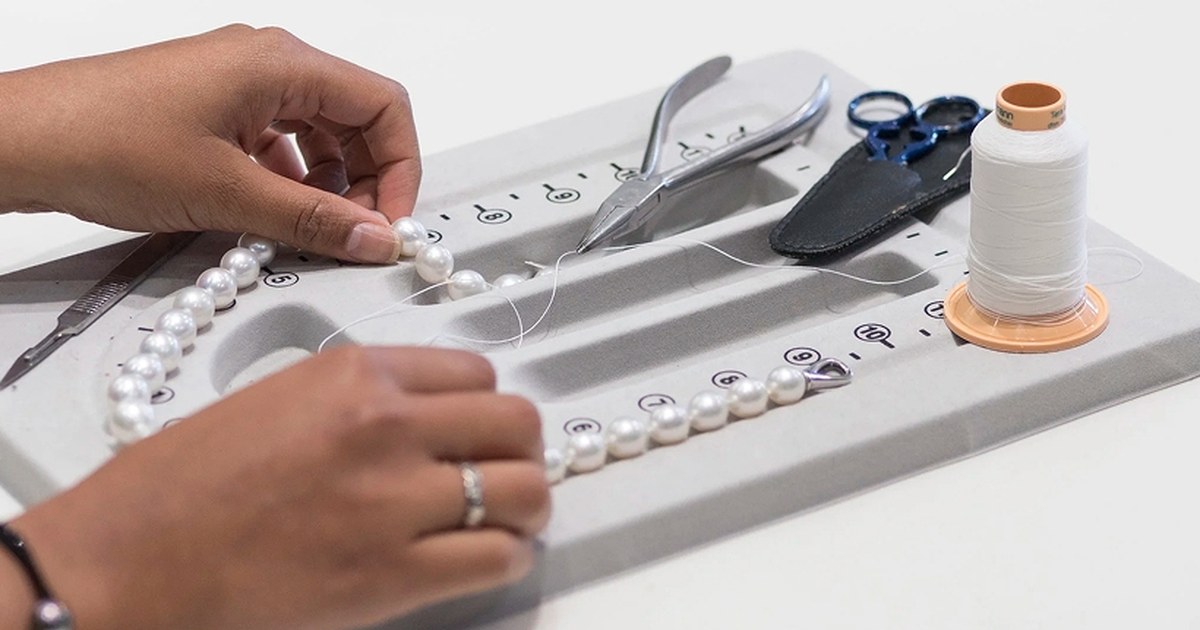
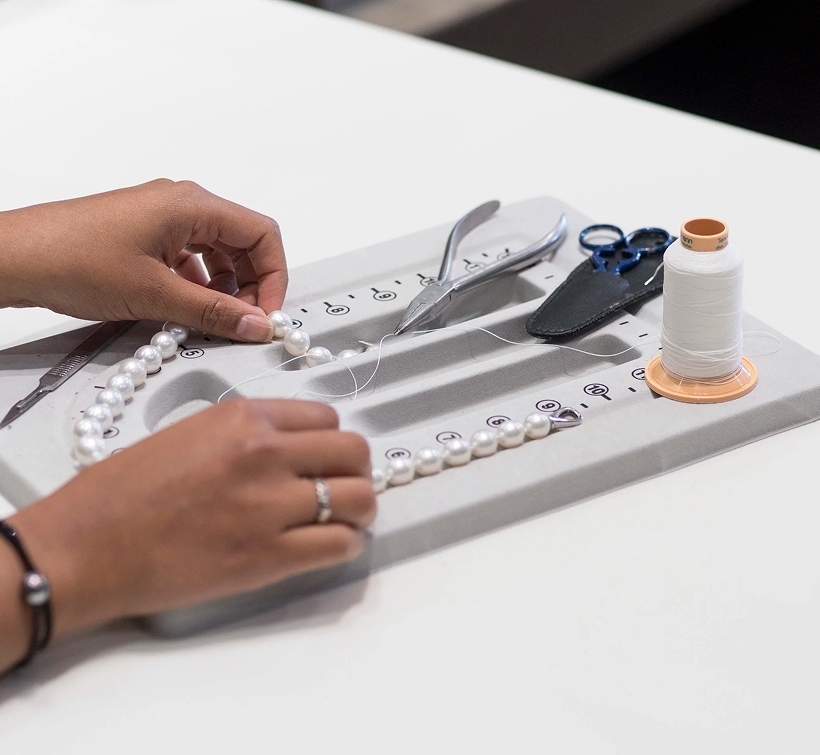
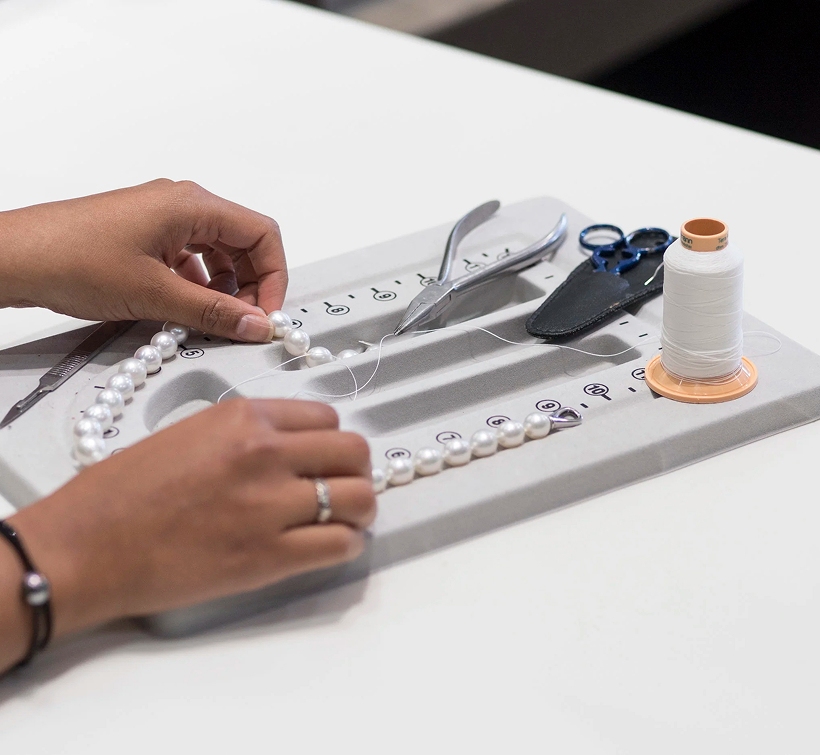
Strands should be hand-knotted between each pearl, both to protect the surfaces and so a broken strand never scatters. We recommend professional restringing every few years for regularly worn strands: a small act of care that keeps a beautiful strand beautiful for decades.
Frequently asked questions
How can you tell a quality South Sea pearl?
Judge lustre first: hold the pearl up and look for a sharp, bright reflection with a soft glow beneath it: the sign of thick nacre. Then consider size, surface and shape. A lustrous pearl with minor blemishes usually outshines a flawless pearl with weak lustre.
Are Broome pearls worth the price?
Fine Broome South Sea pearls are among the largest and most lustrous in the world, grown slowly in the world's largest pearl oyster. Their size, nacre thickness and depth of lustre are what command the price, and they hold their beauty for generations with simple care.
What's the difference between white and golden South Sea pearls?
Both come from the Pinctada maxima oyster: white and silver tones from the silver-lipped variety, golden tones from the gold-lipped. Broome is famed for its white and silver pearls; golden South Sea pearls are more associated with warmer waters to the north. Both are beautiful; the choice is personal.
How often should a pearl strand be restrung?
Every few years for regularly worn strands, or sooner if the knots look worn or the silk is discoloured. Each pearl is knotted separately so the strand wears safely. We restring in-house in our Cottesloe workshop.
Compare pearls in natural light
See South Sea, Tahitian and Akoya pearls side by side in our Cottesloe showroom. The right one often chooses you the moment you see its lustre.