Pearls · 3 min read
How to Care for Pearls (So They Last Generations)
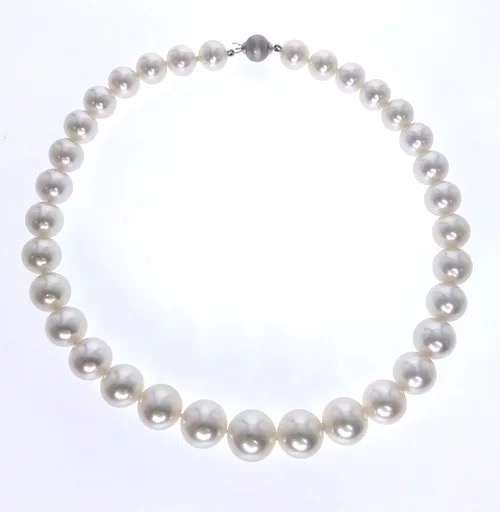
Pearls are different from every other gem we set. A diamond is essentially indestructible; a pearl is an organic thing, built layer by layer by a living oyster, and it asks for a little thoughtfulness in return. The good news is that caring for pearls isn't complicated: it's a handful of gentle habits that, over decades, make the difference between a strand that dulls and one that's handed down glowing.
We restring heirloom pearls in our Cottesloe workshop every week, so we see exactly what careful (and careless) ownership does over a lifetime. Here's what the long-lasting strands have in common.
Last on, first off
The single most useful rule for pearls: put them on last and take them off first. Perfume, hairspray, cosmetics and lotions all contain chemicals that can dull nacre over time, so pearls should be the finishing touch once you're ready, and the first thing you remove at the end of the day.
It takes seconds, and it's the habit that protects a pearl's surface more than any other.
Wear them: pearls like it
Here's the part people find surprising: pearls are happier being worn than being locked away. The natural moisture from your skin helps keep nacre looking alive and lustrous, whereas pearls left unworn for years can dry and lose their glow.
So don't save your pearls only for the rarest occasions. Regular, gentle wear is genuinely good for them, which is rather the point of owning something beautiful.
Cleaning, the gentle way
After wearing, wipe your pearls with a soft, clean, slightly damp cloth to remove any trace of cosmetics or skin oils, then dry them before putting them away. That's usually all they need.
- Do: a soft damp cloth, then a dry one
- Occasionally: a drop of mild soap in water for a deeper clean, dried thoroughly
- Never: ultrasonic or steam cleaners, harsh detergents, or abrasive cloths
- Never: soaking a strung necklace. It weakens and stretches the silk
Storing pearls safely
Nacre is softer than most gems and metals, so store pearls where they can't be scratched: in a soft pouch or a lined compartment of their own, not loose in a jewellery box beside diamonds and gold. Avoid airtight plastic for long storage; pearls appreciate a little ambient moisture.
Lay strands flat rather than hanging them, which can stretch the silk over time.
When to restring
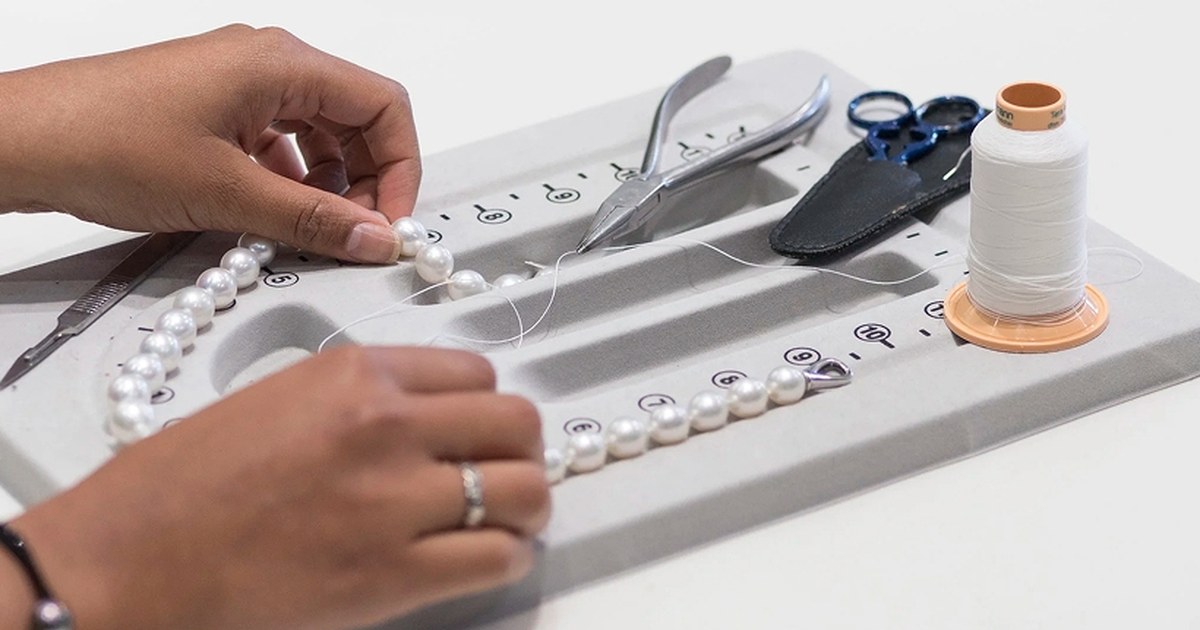
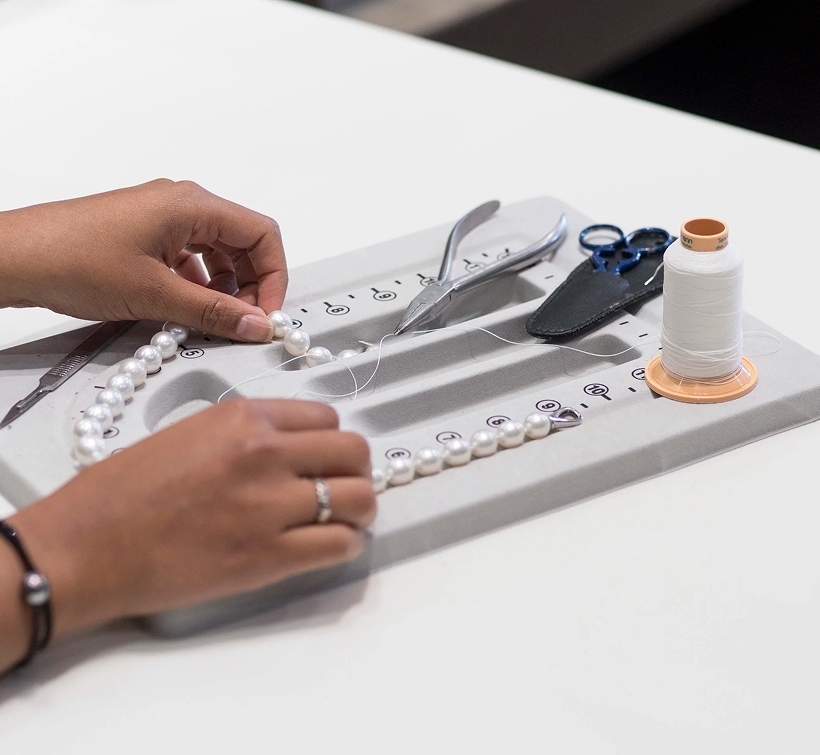
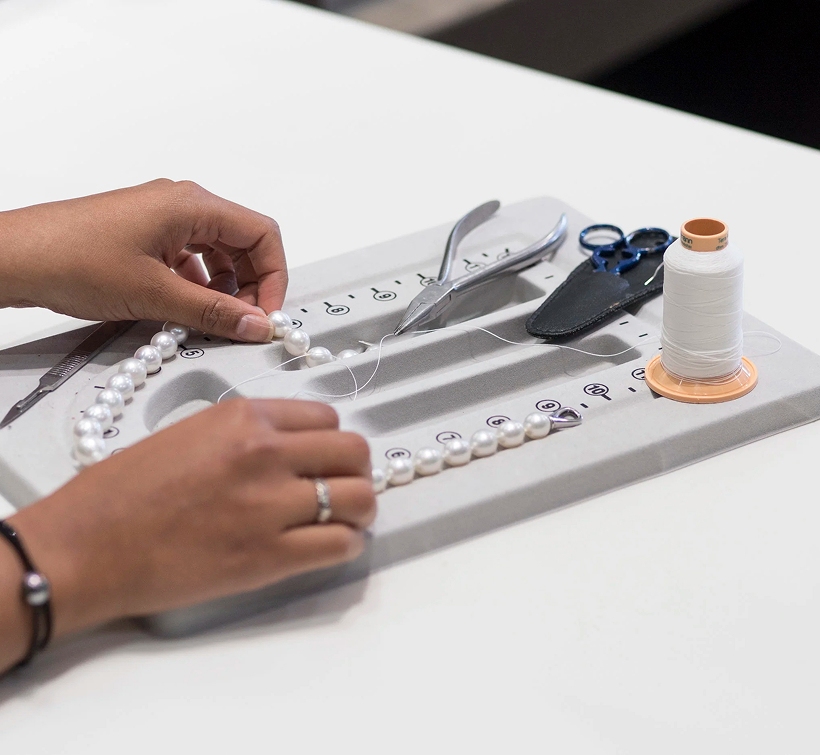
Strung pearls should be knotted between each pearl, so the surfaces don't rub and a broken strand never scatters across the floor. Over years of wear, that silk stretches, frays and discolours, and tired silk is the most common way pearl strands are lost.
We recommend professional restringing every few years for a regularly worn strand, or sooner if the knots look thin, the silk is discoloured, or the strand has stretched. It's a modest service that protects something irreplaceable, and it's done by hand here in our Cottesloe workshop. Book an essentials appointment if you want the silk checked before a trip or a family occasion.
Frequently asked questions
Can I wear my pearls every day?
Yes: pearls genuinely benefit from regular wear, as skin contact keeps the nacre looking alive. Just put them on after perfume and cosmetics, and wipe them gently with a soft cloth before storing them away from harder gems.
How do I clean my pearls at home?
Wipe with a soft, slightly damp cloth after wearing and dry thoroughly. For a deeper clean, use a drop of mild soap in water and dry completely. Never use ultrasonic or steam cleaners, harsh chemicals, or soak a strung necklace.
How often should pearls be restrung?
Every few years for regularly worn strands, or sooner if the knots look worn, the silk is discoloured, or the strand has stretched. Each pearl is knotted separately so a break never scatters the strand.
How should I store my pearls?
In a soft pouch or their own lined compartment, away from diamonds and metals that can scratch the nacre. Lay strands flat rather than hanging, and avoid airtight plastic for long storage. Pearls appreciate a little ambient moisture.
Have your pearls cared for
Restringing, cleaning and restoration by hand in our Cottesloe workshop. Bring your strand in and we'll assess it honestly.